Blog
Dental hygiene tips for healthy teeth & gums
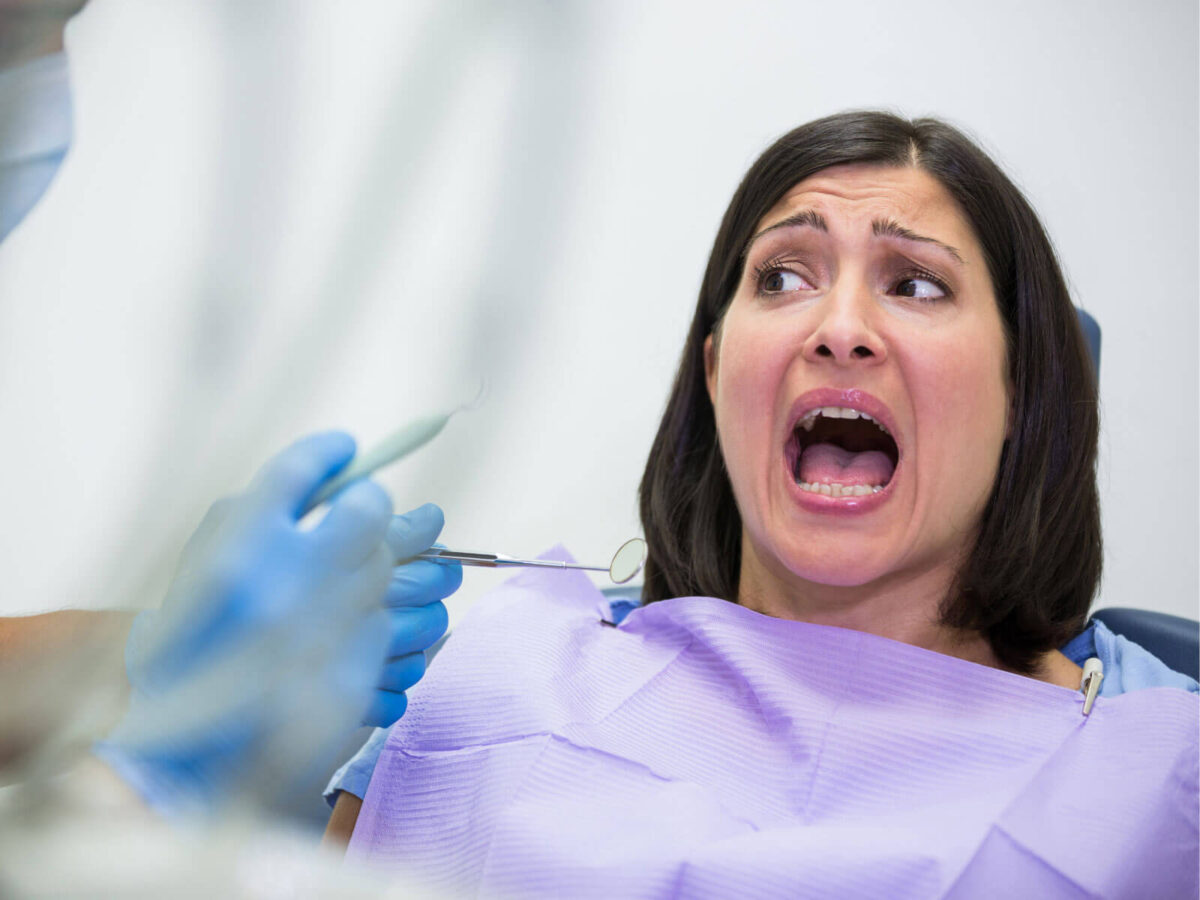
Dental Anxiety in Adults: Causes and How to Cope
Eleven years. That’s how long one of my patients had been avoiding this chair before she finally came in last month. She took care of her teeth at home, knew something was probably wrong, and still couldn’t get herself to book an appointment.
I stopped asking patients how long it’s been. The number makes them feel guilty, and guilt doesn’t help anyone sit still in the chair. A 2025 study in the Journal of the American Dental Association found that nearly 73% of US adults report some level of dental anxiety, so whatever someone is carrying in through that door, they’re carrying it in with company.
The fear is the part I can work with. What it does to someone’s teeth in the meantime is the part that’s harder to undo.
TL;DR
A Journal of Dental Hygiene study found that 9% to 15% of anxious adults avoid dental care altogether.
Past bad experiences and the loss of control in the chair are behind most of it. Sensory triggers like drill noise do the rest.
Sedation ranges from nitrous oxide up through IV sedation, scaled to how severe the dental anxiety is.
Sometimes the thing that gets someone through the appointment isn’t sedation. It’s knowing they can raise a hand and everything stops.
Every skipped appointment makes the next one feel higher stakes.
What Dental Anxiety in Adults Actually Looks Like
The ones who cancel aren’t the only ones I think about. It’s also the patient who made it into the chair but spent the whole appointment with their hands gripping the armrests and their eyes fixed on the ceiling. The shape of it is different for everyone.
Dental anxiety sits on a spectrum. Cleveland Clinic notes that it ranges from a racing heart in the waiting room all the way to full avoidance, with dental phobia at the severe end carrying what can be a diagnosable level of panic.
The physical signs are usually obvious once you know what to look for. Shallow breathing, a tight jaw before I’ve touched anything, hands that won’t relax on the armrests. Some patients go quiet and withdraw. Others talk without stopping because silence feels worse.
Where the Fear Actually Comes From
Ask most anxious patients why, and a specific memory surfaces quickly. Something that hurt when it shouldn’t have, or a dentist who kept going after they said stop. Those memories tend to be vivid and they last.
Control is the other piece. You’re lying back, mouth open, unable to see what’s happening or say much once instruments are in. That setup alone is enough to produce dental anxiety in people who manage other medical settings without any trouble.
Then there’s the sensory layer. The sound of a drill, the smell that seems to exist in every dental office, the sight of a needle before it’s anywhere near you. Some patients feel the fear before they’ve even sat down.
Just How Many People Actually Deal With This
The Journal of Dental Hygiene puts the avoidance figure at 9% – 15% of anxious adults, which translates to somewhere between 30 and 40 million Americans who skip dental care because of fear rather than cost or convenience.
That’s before you count the much larger group who show up but spend the appointment in genuine distress. Dental anxiety at some level is far more common than people tend to admit in a waiting room.
I’ve started mentioning the numbers to patients who seem embarrassed about it. The embarrassment usually eases a little once they realize how much company they’re in.
What Do Sedation Dentistry Options Involve
The range runs from nitrous oxide to IV sedation, and where someone lands on it should match their anxiety rather than their instinct to ask for the strongest option available. Sedation dentistry options aren’t one-size-fits-all, and nitrous is where most people start. It wears off within minutes once the mask comes off and handles moderate nerves without any lingering effect.
Oral sedatives take things further than nitrous. You take a pill before you come in, and you’ll need someone to drive you home. Cleveland Clinic notes that sedation isn’t something reserved only for the most severe cases, which surprises people who assumed they’d have to clear a higher bar to access it.
IV sedation is for the more severe end, usually extensive procedures or phobia that hasn’t responded to lighter approaches. Closer monitoring, longer recovery, and not something anyone needs to jump to first.
Dreading Your Next Dental Visit?
Let’s talk through options that actually make it manageable.
What Small Changes Help in the Chair
A hand signal sounds like a minor thing until you watch what it does. Agreeing with your dentist that raising your hand means everything stops puts a piece of the control that dental anxiety takes away. I’ve seen it settle patients faster than anything pharmaceutical I’ve offered.
Morning appointments tend to work better for anxious patients. Less of the day left to spend in anticipation, and I find people are generally calmer before the afternoon has had a chance to wind them up.
Headphones are underrated. The drill noise and the specific smell of a dental office are two of the most reliable triggers, and blocking one of them out changes the experience more than most patients expect it to.
What to Tell Your Dentist Before They Start To Treat You
Say something before treatment starts. A good office will slow down once they know, explain each step before doing it, and check in more than they otherwise would. None of that happens automatically if nobody mentions the dental anxiety.
Ask for extra numbing time if that’s been an issue before. Waiting a few more minutes costs the practice almost nothing and prevents the kind of experience that builds the fear up further.
Asking for a break mid-procedure is fine too. Patients worry it’s disruptive. From my side of the chair, it isn’t, and I’d rather pause for thirty seconds than have someone leave and not come back for another three years.
What Happens If You Keep Avoiding
A cavity that gets ignored long enough stops being a small problem that just goes away with a filling. It becomes a root canal, and a root canal left too long can become an extraction. The delay doesn’t shrink the work involved. It compounds it.
Gum disease left untreated carries risks beyond the mouth. Research has tied it to cardiovascular problems over time, which is the part of dental anxiety avoidance that doesn’t get mentioned enough in these conversations.
The thing I say to patients who’ve been away for a long time is that the gap rarely turns out to be as bad as they imagined. And even when it is, we start where we start.
FAQ
Is dental anxiety more common in women?
Yes, slightly, though both groups report it in numbers large enough that the difference isn’t the interesting part of the story.
Can therapy help with dental anxiety?
Yes, particularly cognitive behavioral approaches. Some patients work with a therapist specifically around one upcoming appointment rather than as a longer course.
Will my dentist judge me for being anxious?
I can’t speak for every practice, but in mine the answer is no. Mention it before we start, and it changes how I pace the whole appointment.
Is sedation dentistry safe if I have other health conditions?
Generally yes, though your dentist will review your medical history before recommending anything. The right option depends on what’s in that history.
Conclusion
Dental anxiety is common enough that nearly three-quarters of American adults report some version of it. The fear makes sense given what the chair asks of you, and there are tools built around it now that didn’t exist a generation ago.
If avoidance has kept you away for years the way it did for my patient, the first appointment back doesn’t have to be the hardest part. Tell your dentist what you’re dealing with before anything starts and let them build the visit around that.
Tired of Putting Off the Dentist?
Book an appointment designed around your comfort, not despite it.