Blog
Dental hygiene tips for healthy teeth & gums
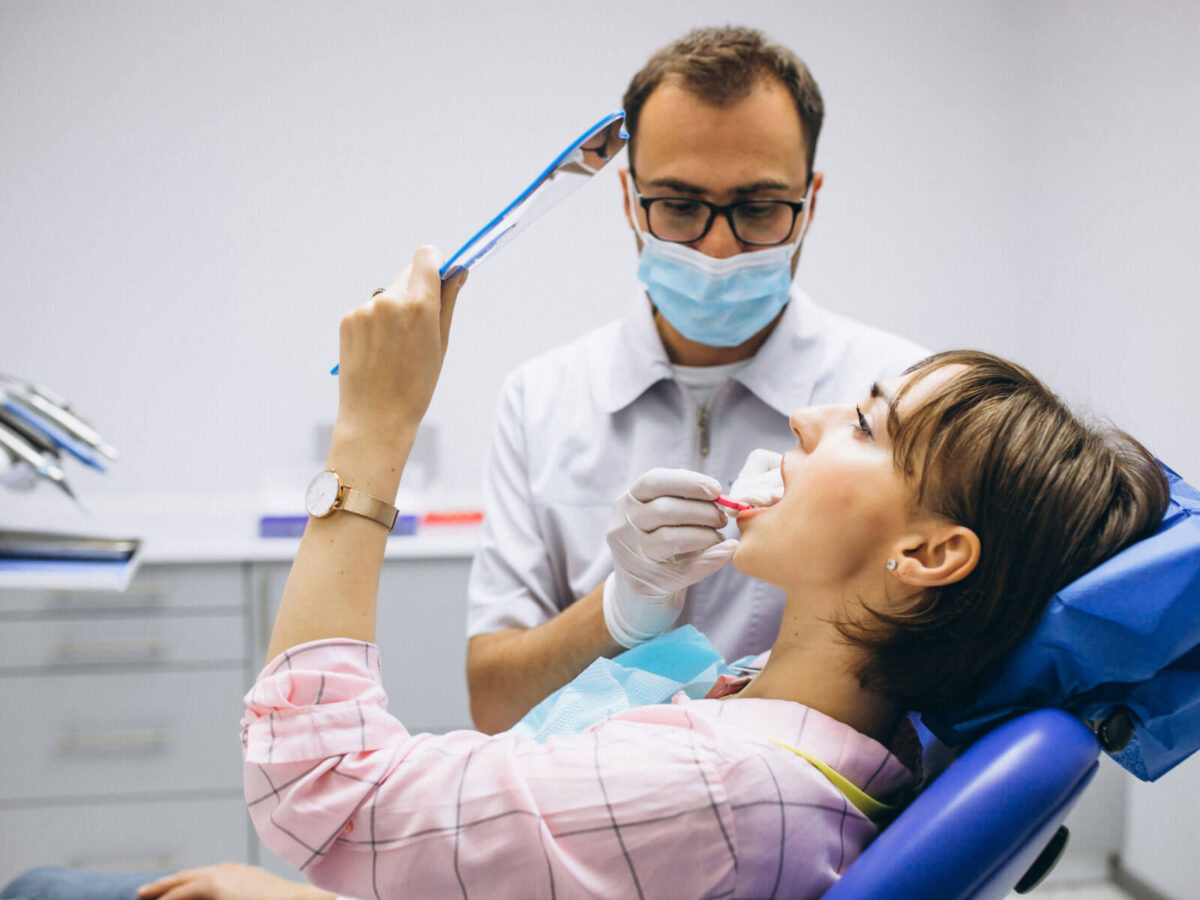
Benefits of Regular Dental Checkups: Why They Matter
Caught a dark spot on a molar during a routine checkup last year. Patient hadn’t felt a thing. Fifteen-minute filling instead of the root canal she’d have needed eight months down the road. She thanked me like I’d pulled off something impressive. I’d just looked at the right tooth on the right day.
That’s most of what the benefits of regular dental checkups amount to. Catching things before pain forces the issue and the fix gets bigger. Nothing dramatic about it. Easy to forget it matters until you skip a few years and end up paying for that gap.
I see both sides of this in my chair constantly. Patients who never miss a cleaning and rarely need much beyond one. Patients who show up after a long gap needing three procedures at once. The difference usually comes down to nothing more than showing up on schedule.
TL;DR
- A cavity caught at a routine visit is a filling. Missed for a year, it’s a root canal.
- Most people need to come in twice a year. If your teeth have been consistently clean, your dentist might stretch that.
- Visits usually take under an hour — exam, cleaning, X-rays if it’s been a while.
- Without insurance, a checkup runs somewhere between $150 and $350. Most plans cover it completely.
- The longer you wait, the more there is to fix. That’s really the whole point of going regularly.
What Are the Real Benefits of Regular Dental Checkups
Most of what I catch in this job, I catch before patients even feel it. Cleveland Clinic backs this up. Routine visits find problems early, and early problems cost less to fix in every sense.
I tell patients to think of a cleaning less like a polish and more like maintenance. Plaque settles into corners, and along the gumline no brush really gets to. Leave it long enough, and it hardens. That’s when cavities and gum disease start.
There’s a wider health angle too, one most patients don’t think to ask about. Gum disease has links to cardiovascular problems, and an oral exam sometimes picks up early signs of cancer before anything shows up anywhere else.
Why Does Oral Health Affect the Rest of Your Body
A dental visit covers more than teeth. NIH research has linked gum disease to cardiovascular problems, and the mouth is vascular enough that the connection isn’t surprising once you think about it.
Oral exams pick up things patients don’t expect. I’ve flagged early signs of oral cancer during what felt like a routine visit. Caught at that stage, the outcomes are significantly better. Most people leaving the chair had no idea that was even part of what I was looking at.
What’s the Right Frequency for Dental Visits
Twice a year is still the standard most dentists recommend, and it works well for most people walking through the door. That part hasn’t really changed.
A Cochrane review found something worth knowing, though. People at low risk for oral disease could stretch to once every two years without measurable harm. Risk is the actual deciding factor, not a fixed rule stamped on everyone equally. Someone prone to cavities or gum trouble needs more frequent visits. Someone with a clean history for years might not.
I adjust recall schedules for patients regularly based on what I’m seeing in their mouth. Not out of habit. Out of what the last visit showed me. Two patients with similar home care routines can easily end up on different schedules once I look at what’s really happening in their mouths.
What Happens at a Dental Checkup – Start to Finish
The hygienist goes first. Scraping off the buildup, getting into the spots you can’t reach at home, polishing at the end. Pretty consistent across most offices.
X-rays come next on some visits, not every one. Depends on your history and how long it’s been since the last set. They catch decay between teeth and below the gumline that a normal exam can’t see on its own.
The dentist comes in last. Teeth, gums, soft tissue — a quick look at all of it. If something’s worth flagging, you’ll know before you walk out. Most appointments are done well within the hour.
What Does a Dental Checkup Cost
Without insurance, figure somewhere between $150 and $350 for the exam and cleaning combined. X-rays run extra when they’re included, usually another $50 to $150 depending on how many get taken.
Most dental plans cover preventive visits at 100%. Makes sense from the insurer’s side too. Catching a problem early costs them a lot less than treating one that’s been left alone for years. If you’ve got coverage, a routine checkup often runs you nothing beyond the premium you’re already paying anyway.
Overdue for a Checkup?
Small problems are easier to fix than big ones.
What Happens If You Skip Checkups for Years
Cavities don’t wait. One that’s caught early takes fifteen minutes to fill. The same cavity left alone for a year or two can reach the nerve, and now you’re looking at a root canal or losing the tooth entirely.
Gum disease works the same way. Cleveland Clinic is clear on this: once periodontitis sets in, the bone loss it causes doesn’t reverse. Caught at the gingivitis stage, a deeper cleaning usually handles it. Miss that window and the options get harder.
I’ve had patients come back after a decade away expecting a routine visit and leave with a full treatment plan instead. Nobody enjoys that appointment. Almost always avoidable with checkups spaced the way they should be.
Does Everyone Need the Same Six-Month Schedule
Not always. Kids, anyone with a history of frequent cavities, and patients managing gum disease usually do better sticking close to the traditional six-month schedule.
Adults with consistently clean checkups and solid home care sometimes qualify for a longer interval, based on their dentist’s judgment rather than a rule stamped onto every calendar the same way. Smokers and people managing diabetes tend to need more frequent visits regardless of how clean things look on a given day.
The honest answer is that frequency is a conversation, not a policy. I’d rather adjust someone’s schedule based on real evidence from their mouth than default to a number because it’s what everyone assumes.
FAQ
Do I really need X-rays at every visit?
No, and I don’t take them every visit either. I usually go by what I saw the last time and how long it’s been. Some patients go a couple of years between sets, and we never find anything worth worrying about.
Can a checkup catch problems I can’t feel yet?
All the time. Most of what I find during routine exams, patients had no idea about. Cavities don’t announce themselves. Neither does early gum disease. By the time there’s actual pain, things have usually been brewing for a while.
I haven’t gotten my teeth checked in years. Can I go now?
Yes, come in. I’d rather see you now than after another year of putting it off. There may be more to deal with depending on how long it’s been, but that’s what the exam is for.
Does a checkup always include a cleaning?
In most cases. Yes. I book them together because it makes sense to handle both at once. If a deeper clean is needed, that gets scheduled separately since it’s a different process altogether.
Conclusion
Nobody walks out of a routine checkup thinking that was life-changing. A filling, a polish, maybe a reminder to floss more. But that’s the thing about the benefits of regular dental checkups – they’re quiet until you stop showing up, and then they’re not.
Gaps have a way of stretching. A skipped year turns into three, and three turns into a phone call about something that could’ve been handled in one visit. Come in before that happens.
Ready to Get Back on Schedule?
Book a checkup and take care of small things before they grow.