Blog
Dental hygiene tips for healthy teeth & gums
How Much Does Wisdom Tooth Removal Cost?
Most people don’t think about cost until the dentist says the word “extraction.”
Before that, it’s just discomfort. A dull ache. That heavy feeling in the back of your jaw that isn’t constant. Then suddenly you’re sitting there hearing about removal, and your brain shifts from pain to planning. The question lands quickly: what is the actual wisdom tooth removal price?
It would certainly help if the answer were simple. There isn’t.
The cost really depends on the details. How the tooth is sitting. Whether it needs surgery. The kind of anesthesia used. Even the city you’re in can shift the number. That’s why one person may pay a few hundred dollars, while another ends up seeing a bill much higher than expected.
When you understand what goes into the average price of wisdom tooth removal, it doesn’t seem so all over the place.
Why Some Extractions Are Simple, and Others Aren’t
If a wisdom tooth has fully erupted and sits upright, removal is usually straightforward. In many areas across the United States, that kind of extraction can range between $200 and $600 per tooth.
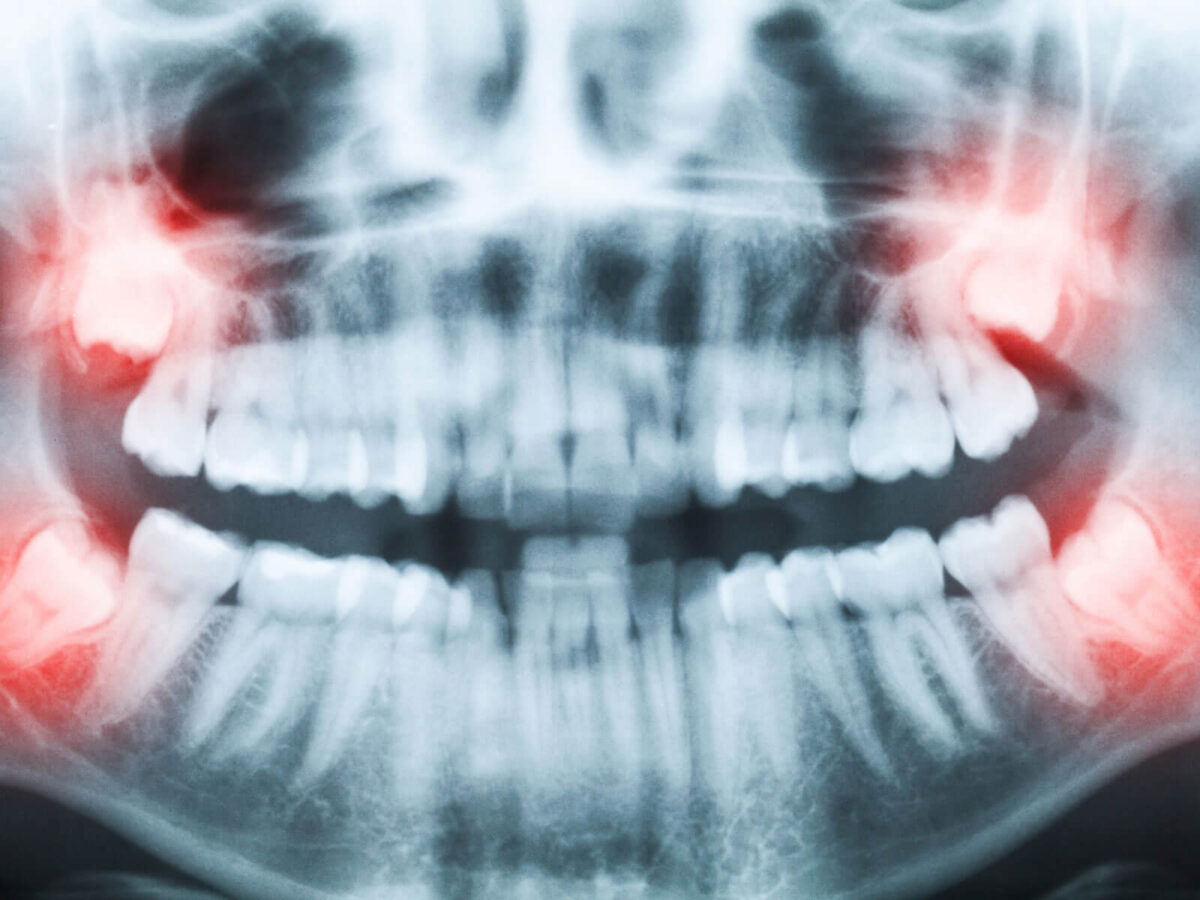
But wisdom teeth rarely behave perfectly. In simple terms, impacted means the tooth hasn’t come in properly or is pushing against the one beside it. That’s where the cost shifts.
When bone needs to be accessed, or the tooth must be divided into sections before removal, the procedure becomes surgical. Naturally, the impacted wisdom tooth removal price climbs. It may range from $800 to $1,500 per tooth, depending on difficulty.
It isn’t about inflating fees. It’s about time, precision, and surgical complexity.
The Anaesthesia Factor
This part surprises people.
In most cases, local anaesthesia is included in the base fee. It blocks sensation around the tooth so you stay comfortable, though you remain fully conscious.
Some patients prefer sedation. Especially if multiple teeth are coming out. Especially if anxiety is high.
Sedation requires monitoring equipment and additional training. The American Association of Oral and Maxillofacial Surgeons explains that IV sedation involves continuous supervision of breathing and heart rate [Source].
That supervision adds cost. A few hundred dollars at minimum. Sometimes more.
So when someone compares their wisdom tooth removal price to a friend’s, the difference may simply be anaesthesia choice.
Geography Quietly Changes Everything
Dental care is still healthcare. And healthcare costs shift by region.
According to FAIR Health, which tracks insurance claims data nationwide, surgical procedure costs vary significantly depending on geographic location [Source].
A major metropolitan practice carries higher overhead than a smaller town clinic. Rent, staffing, malpractice coverage, equipment—all of it plays a role.
So the average price of wisdom tooth removal in Los Angeles won’t necessarily match what someone pays in a rural area. That doesn’t automatically reflect quality. It reflects operating reality.
Insurance Can Help, But It’s Not Always Straightforward
Many people assume dental insurance will handle most of it. Sometimes that’s true.
The National Association of Dental Plans reports that over 77 percent of Americans with dental benefits receive employer-sponsored coverage [Source].
But coverage percentages vary. Some plans cover 50 per cent of surgical extractions. Some cover 80 percent. Most have annual maximums.
If you need all four wisdom teeth removed in one year, that annual cap can arrive quickly. At that point, the remaining impacted wisdom tooth removal price becomes out-of-pocket.
That’s when financial planning matters.
The Parts People Forget to Ask About
When the topic of wisdom tooth removal price comes up, most people immediately think about the extraction itself. That’s the obvious part. The tooth comes out, you pay the fee, and that’s that. At least that’s what many assume at first.
But there are often other pieces involved that don’t get talked about right away. Imaging may be needed before anything begins. There might be a consultation visit. Sometimes prescriptions are required afterwards. In some situations, you’ll come back for a quick check to make sure recovery is on track.
Some dental offices package everything together into one total. Others list each part separately. Neither approach is better or worse. What really matters is understanding what’s included before you agree to treatment.
Getting a detailed estimate upfront can prevent that uneasy feeling later when the final number looks different from what was expected.
Does Waiting Make It Cheaper?
This concern comes up more often than people realize. If the tooth isn’t causing intense pain yet, can you delay removal and cut costs? Occasionally, that works. But sometimes waiting ends up costing more.
Infection makes procedures more complex. Complexity often increases the average price of wisdom tooth removal.
Early removal isn’t always mandatory. But waiting purely to avoid cost can occasionally backfire.
Is the Lowest Quote the Best Choice?
It’s easy to compare clinics by the numbers alone. The price is visible. It feels measurable. And of course, affordability matters.
But surgery isn’t just a transaction. There’s skill involved. There are sterile protocols that protect you. Imaging quality can influence accuracy. Postoperative instructions can affect how smoothly you heal. All of that plays a role.
The wisdom tooth removal price often reflects those behind-the-scenes factors. It isn’t just about removing a tooth. It’s about how the procedure is handled from start to finish.
A cheaper estimate doesn’t always signal lower quality. It’s just worth having a conversation about what you’re getting. In some cases, higher costs reflect training and follow-up care rather than markup.
What You’re Actually Paying For
When you see the final estimate, your eyes naturally land on the total. That’s normal. It’s the biggest number on the page.
But that number usually covers more than just taking out a tooth. There’s imaging done beforehand. Time spent planning the procedure. Anesthesia monitoring during it. Sterile instruments. Clinical decisions are made in real time. All of that sits behind the scenes.
The impacted wisdom tooth removal price often reflects that kind of layered care. It isn’t simply about removing a painful tooth. It’s about stopping things from getting worse. Looking at it that way changes how the cost feels.
FAQs
What is the price of wisdom tooth removal in the U.S.?
The average price of wisdom tooth removal depends on how complicated the case is. A straightforward extraction may stay in the lower hundreds. A surgical one can cost more.
Why is impacted wisdom tooth removal more expensive?
With impacted wisdom tooth removal, the tooth isn’t easy to reach. Sometimes it’s under the gum or partly in the bone. That makes the procedure take longer.
Does insurance reduce the price significantly?
Insurance can help with the price of wisdom tooth removal, but it depends on your plan. Some cover a portion. Some don’t cover much at all.
Can delaying extraction increase cost later?
It can. If infection develops, the situation may become more complicated than it was at the start.
Conclusion
The question of wisdom tooth removal price isn’t just about numbers. It’s about understanding what shapes those numbers.
The average price of wisdom tooth removal isn’t random. It depends on the way the tooth is positioned and the type of sedation used. The clinic’s location plays a role too. The impacted wisdom tooth removal price is higher because the removal is more involved.
Price matters, but knowing what’s covered matters more. Book a visit to your dentist and ask what’s included. Ask about sedation. Ask about follow-up care. Because when surgery is involved, confidence in the provider often matters just as much as the invoice.