Blog
Dental hygiene tips for healthy teeth & gums
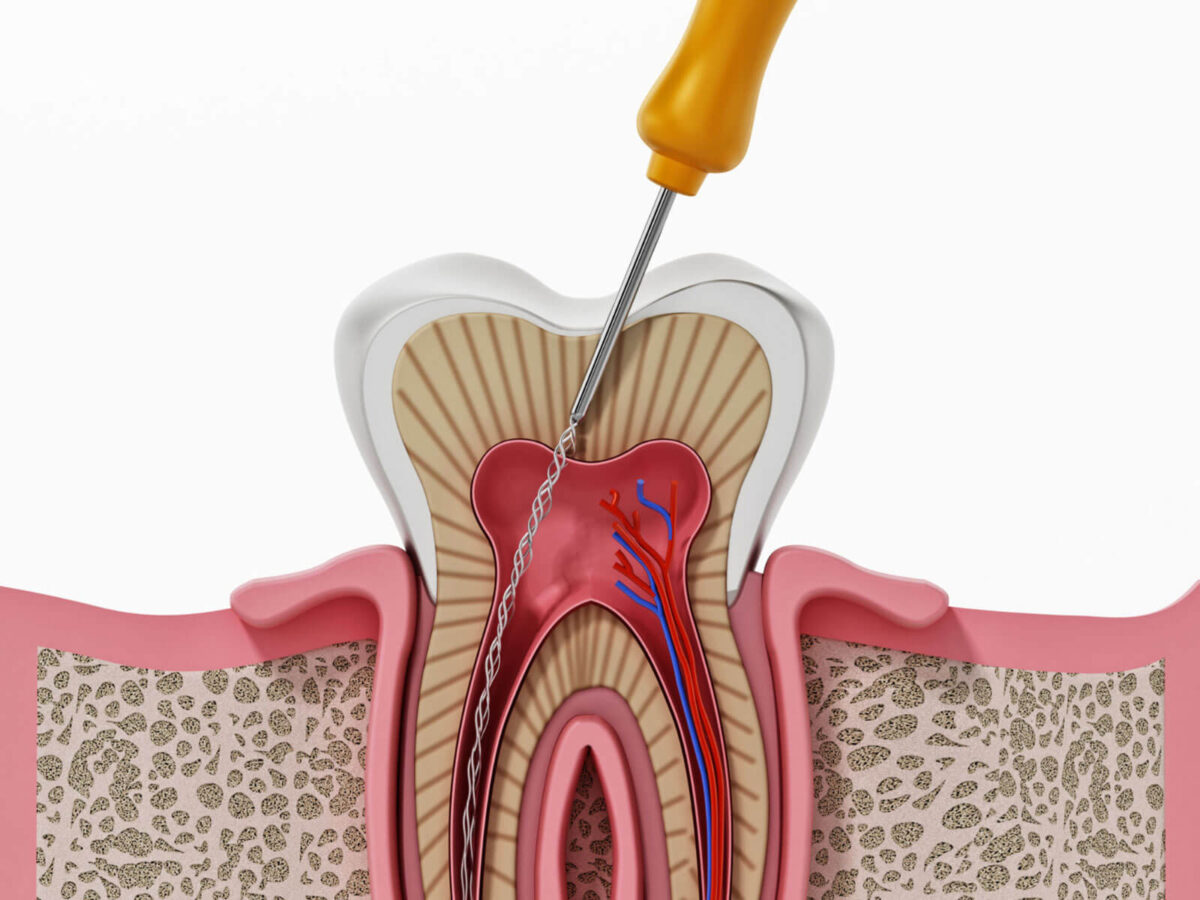
10 Signs You Might Need a Root Canal
What Are the Signs You Need a Root Canal and Why Do People Miss Them
People put off dental pain because it comes and goes. A bit of sensitivity, a dull ache after eating something cold. Easy to rationalize. What makes that dangerous is that infected pulp doesn’t recover on its own. Mayo Clinic points out that bacteria from a crack or deep cavity can progress to bone loss and tooth loss without treatment.
I’ve seen this play out more than once. Someone sits with the signs you need a root canal for months, assumes it’ll settle, and goes in when it’s already gotten complicated.
Sign 1: That Tooth Has Been Hurting On and Off for Weeks
It quiets down, and you think it’s done. Then it’s back. My friend described his as a dull presence that never fully left, just got louder some days than others. It would move toward his jaw or ear and then settle back into the tooth. Healthline flags this kind of recurring, location-specific pain as one of the strongest signs you need a root canal treatment.
Pain going quiet isn’t the same as it being gone. A lot of people find out the nerve was dying the whole time, which is why the ache kept dropping off. The signs you need a root canal were there. They just got easier to ignore.
Sign 2: Sensitivity to Heat That Lingers
Cold sensitivity comes and goes for all kinds of reasons. Heat lingering in a tooth after a hot drink is a different thing entirely. Someone I know noticed that hot soup would set off a pain in one tooth that took almost a minute to fade. She’d been calling it a sensitive tooth for weeks. Cleveland Clinic includes this kind of lingering heat response among the symptoms that point dentists toward pulp damage.
Healthy tissue doesn’t react that way. When the pain outlasts the trigger by thirty seconds or more, that’s the nerve inside the tooth telling you something has already gone wrong. It’s one of the signs you need a root canal that’s easy to rationalize until it isn’t.
Sign 3: Sharp Pain When Biting or Chewing
Biting down shouldn’t hurt. When it does, and it keeps happening on the same tooth, that’s not something to wait out. Consistent pressure pain usually means the pulp or the tissue around the root is already involved, and that puts it in the category of signs you need a root canal.
I’ve spoken to people who’d quietly shifted to chewing on one side for weeks. They hadn’t made a conscious decision about it. Their mouth had just worked around the tooth on its own.
Sign 4: Sensitivity to Cold That Won’t Quit
Cold sensitivity that clears in a second or two usually isn’t a root canal situation. The version that lingers for several seconds after the cold is gone signals nerve involvement. Healthline notes that a prolonged cold response may indicate damaged or infected nerves and blood vessels inside the tooth.
I’ve had people describe it as a cold that gets stuck. When it sits there for ten or fifteen seconds after the ice water is gone, that’s worth bringing up with a dentist.
Sign 5: A Bump on the Gum That Looks Like A Pimple
This is one of the symptoms people dismiss most easily. A small raised bump on the gum near a tooth, what dentists call a dental fistula or gum boil, is the infection finding a way out. It forms when an abscess at the root builds up enough pressure that the body creates a drainage point.
It might not hurt much. It might leave a bad taste in the mouth periodically. I’ve spoken to people who assumed it was a canker sore and left it alone for weeks. Cleveland Clinic identifies this bump as a direct sign of tooth infection. The absence of pain doesn’t mean the infection is minor. It means the body found somewhere to release the pressure.
Sign 6: Swollen Gums Near One Tooth
Gum swelling that stays in one spot, right around a particular tooth, is the kind worth paying attention to. Not the general puffiness that comes with irritated gums. A raised, tender area that keeps coming back to the same place.
According to Mayo Clinic, swelling that spreads to the face or neck means the infection has moved beyond the tooth entirely. That’s an emergency. The localized version showing up around one tooth is the earlier warning, and still the easier one to deal with.
Sign 7: Tooth Discoloration
A tooth going darker than the ones around it is something people notice and then talk themselves out of. It doesn’t always hurt. The discoloration comes from the inside, pulp breaking down and staining the tooth from within, and by the time it’s visible, it’s usually been happening for a while.
Healthline explains that trauma or internal tissue breakdown can damage roots and produce a grayish-black appearance, most visible on front teeth. I’ve spoken to people who assumed it was surface staining and tried whitening it. A tooth that has quietly changed color over weeks or months without any external cause is worth getting X-rayed.
Sign 8: A Loose Adult Tooth
Adult teeth shouldn’t move. When one does, particularly a single tooth rather than multiple, it often signals that the bone and tissue supporting it has been compromised. Acidic waste products from nerve death can soften the bone around a dying root, and that’s what makes the tooth start to feel mobile.
A single adult tooth that wasn’t loose before is one of the clearer signs that you need a root canal, indicating that things are already at an advanced stage. I’ve spoken to people who discovered this and assumed it would tighten back up on its own. It won’t.
Sign 9: Pain That Spreads to the Jaw
I’ve seen people get treated for sinus problems and jaw issues for weeks before anyone checked their teeth. The tooth itself wasn’t obviously painful. What they felt was a persistent ache sitting somewhere between the ear and the jaw on one side.
The trigeminal nerve runs across most of the face, and an infected tooth can send pain along it to places that have nothing obvious to do with your teeth. That’s what makes this one so easy to chase in the wrong direction.
Sign 10: Swelling in the Face or Neck
A swollen cheek or jaw that showed up alongside a tooth that’s been off is the one symptom I’d say don’t sit on. I’ve known people who iced it overnight and hoped for the best. Mayo Clinic puts fever or difficulty swallowing with facial swelling squarely in emergency room territory.
Neck swelling is where it gets serious fast. That’s the infection moving toward structures it has no business being near.
FAQ
Does tooth pain going away mean the problem is gone?
Sometimes the pain just stops. That’s the nerve dying, not the infection clearing. I’ve seen people take that as a sign they were in the clear. They weren’t.
Could this be a cavity or something more serious?
Hard to say without an exam. A dentist has to look at it. X-rays show whether the pulp is involved in a way that no amount of Googling your symptoms will.
Do root canals actually hurt as much as people say?
No. Most people say it felt like a filling. What’s worse is leaving an infected tooth alone and hoping it settles.
What happens if I ignore the signs?
It gets worse. The infection doesn’t stay put. Bone can deteriorate around the root, the tooth can reach a point where saving it isn’t possible, and some cases end up as medical emergencies.
Conclusion
Signs you need a root canal rarely arrive all at once. They build slowly. One thing that keeps coming back, then another that didn’t used to be there. Each one is easy to rationalize, but if any of them have been sitting there for more than a week or two, the tooth is not going to sort itself out.
What are the signs you need a root canal is a question a dentist answers with an X-ray, not a symptom checker. I’ve seen people wait months, hoping things would settle. If anything above sounds familiar, that appointment is worth making now.