Blog
Dental hygiene tips for healthy teeth & gums
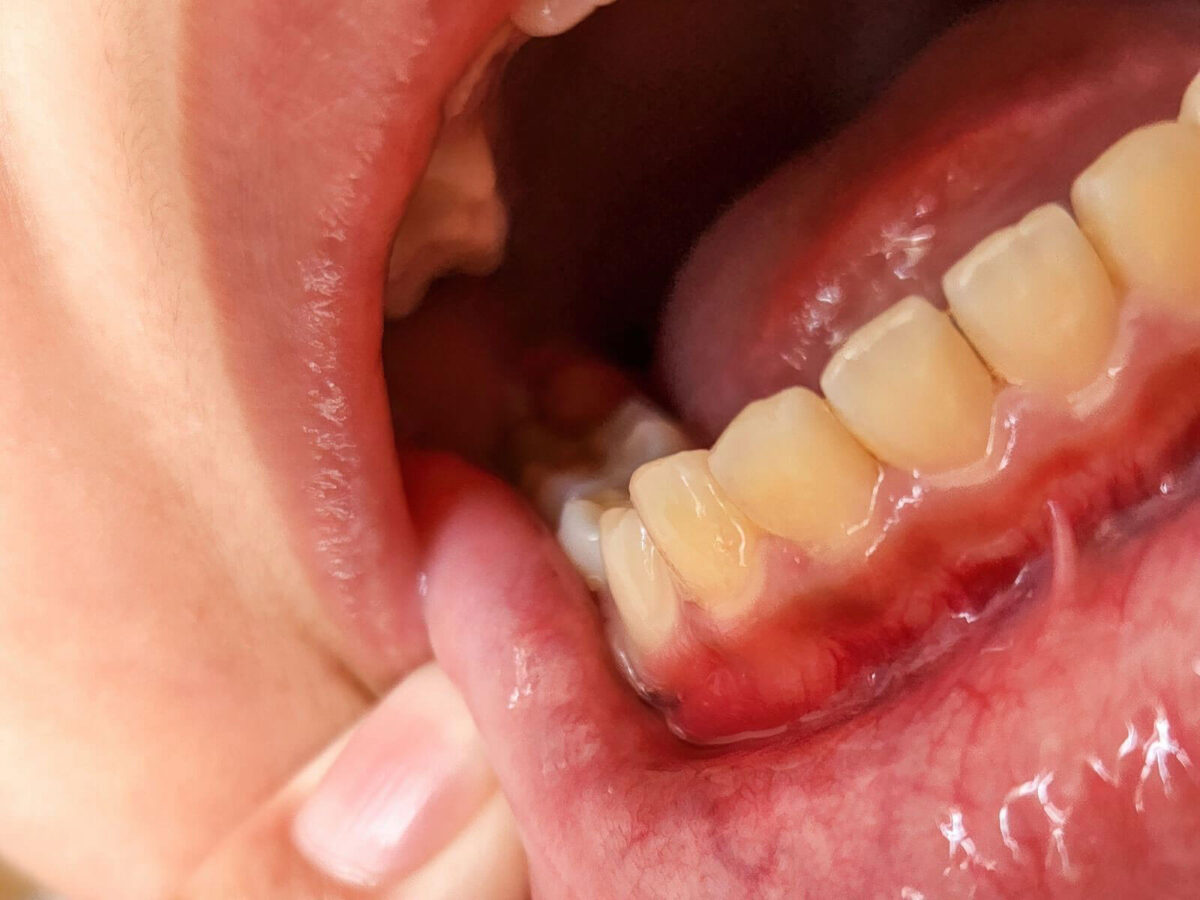
How to Stop Bleeding Gums: Causes, Home Remedies, and Treatment
You finish brushing your teeth and suddenly spot a little blood near the sink. It does not seem important at first. Then the same thing happens again while flossing a few days later. That is usually when people start searching for “how to stop my gums from bleeding” and whether the problem can be calmed down at home.
Gums usually start bleeding after irritation has been sitting there for a while. Plaque near the gumline is one of the common reasons. Certain areas may feel tender or look slightly swollen during brushing.
The National Institute of Dental and Craniofacial Research continues to report gum disease in a large number of adults. That is why early bleeding gums treatment matters.
Why Gums Start Bleeding During Brushing
Plaque near the gums is one of the biggest reasons behind bleeding. The gums react to that buildup sitting around the teeth every day. In some areas, the tissue starts looking darker red or slightly puffy near the edges.
Tartar also plays a part here. Once plaque hardens, regular brushing cannot remove it anymore. The gums stay irritated around those rough areas constantly.
The gums may start feeling irritated from heavy brushing pressure, too. Some people scrub much harder than they think they do.
Why Do Some Daily Habits Make Gum Bleeding Worse
Medium and hard bristles may feel too rough on sensitive gums. The gumline around certain teeth can stay sore for quite a while afterward. Some bleeding may happen when flossing starts again after being skipped for a while. In many cases, the gums were already irritated beforehand.
Smoking can affect gum tissue as well. Dry mouth sometimes makes the irritation feel stronger during the day. Certain medications may increase bleeding, too. Vitamin deficiencies sometimes come into the picture here as well. Low vitamin C levels have been linked with gum irritation in some situations.
How to Stop My Gums From Bleeding at Home
Some gum irritation is connected to heavy brushing pressure. Softer bristles and gentler brushing often help sensitive gums feel calmer. Certain spots may begin feeling calmer after several days.
Some people find warm saltwater soothing for sore gums. A lot of people use them daily for short periods when the irritation flares up. Alcohol-free mouthwash can feel less harsh inside the mouth since stronger rinses sometimes leave the gums feeling dry afterward.
A lot of early bleeding gums treatment starts with improving daily cleaning habits before the irritation becomes more serious.
Why Does Daily Cleaning Still Matter for Bleeding Gums
Plaque sitting between the teeth for too long can keep the gums irritated. That is why flossing still matters, even if slight bleeding happens at first. Hydration makes a difference, too. A dry mouth usually allows more bacteria to stay around the teeth and gums because there is less saliva moving things away naturally.
The American Dental Association recommends cleaning between teeth daily to help reduce plaque and gingivitis. Some gums settle down after a few days of regular cleaning again. Other areas stay irritated longer when tartar buildup has already formed near the gumline.
Why Some Gum Areas Bleed More Easily
Back molars usually collect more buildup because they are harder to reach properly during brushing. Crowded teeth can trap plaque near the gums, too, especially in areas where irritation keeps returning, and bleeding gums treatment becomes necessary.
Older crowns and fillings sometimes hold bacteria around rough edges. The gums near those teeth may stay swollen longer than the nearby areas. Teeth grinding can also leave certain spots feeling sore while another part of the mouth feels completely fine.
What Professional bleeding gums treatment May Involve
Professional cleaning helps remove hardened tartar around the gumline. Some tenderness afterward is fairly common when the gums have been irritated by buildup for a long period. Some cleanings stay simple and quick. Other situations need deeper cleaning around the gums where plaque has spread lower near the roots.
Dentists also check whether old dental work is irritating the gums. Rough filling edges sometimes trap plaque near certain teeth constantly. Grinding and clenching can affect gum tissue, too. Certain teeth handle more pressure than others during sleep.
The CDC reports that nearly half of adults aged 30 years and older show signs of gum disease. More advanced gum irritation may involve deeper pockets around the teeth. Cleaning those areas becomes harder at home once plaque spreads below the gumline.
Professional bleeding gums treatment may also involve checking for health conditions affecting the gums indirectly.
Which Daily Habits May Help Stop Bleeding Gums
The gums usually respond better to steady cleaning habits than constantly switching between different dental products. Brushing twice a day gently often helps irritated areas near the gumline settle down more comfortably over time.
Fast or aggressive brushing can keep sensitive spots irritated longer than expected. Daily flossing matters too because plaque trapped between the teeth tends to keep those areas inflamed when they are skipped repeatedly.
Why The Gums React To Certain Foods And Habits
Plaque tends to build up faster when sugary foods keep sitting around the teeth. Sticky snacks often stay close to the gumline longer, too. Smoking may keep gum irritation going longer than expected. The gums sometimes heal more slowly in smokers.
Dental cleanings help clear tartar away before it collects too heavily near the teeth. Long gaps between appointments usually make the buildup harder to clean later.
Using “how to stop my gums from bleeding methods” at home can help temporarily, but recurring bleeding still deserves proper attention when it keeps coming back.
Can Health Conditions Affect the Gums
The gums can react differently when certain health conditions are involved. Diabetes is one example dentists commonly look for. Hormonal changes during pregnancy can make the gums react more strongly to plaque around the teeth.
Some medications affect the gums, too. Blood thinners may increase bleeding, while others leave the mouth feeling dry for long periods. Stress-related grinding can irritate certain teeth and gums during sleep as well. Poor nutrition sometimes leaves the gums more sensitive during brushing.
The World Health Organization still reports severe gum disease in adults across many parts of the world.
FAQs
How do the gums slowly calm down?
The gums often respond once plaque buildup around the teeth starts getting removed more regularly. Gentler brushing pressure can help sensitive spots calm down, too.
Should flossing make the gums bleed?
Some bleeding may happen in the beginning if flossing has been inconsistent. Gums that bleed constantly every few days should still be checked.
Can mouthwash help sore gums?
It can sometimes help with mild irritation around the gums. A lot of people find alcohol-free rinses more comfortable when the gums already feel sensitive.
When should somebody seek bleeding gums treatment?
If the same areas keep bleeding repeatedly, it is probably worth getting the gums checked.
Conclusion
The gums sometimes stay irritated quietly for a long time before people really pay attention to them. Plaque near the gumline is a big reason. Heavy brushing pressure can make certain spots worse, too. Smoking affects the gums differently as well. Some areas bleed easily while another part of the mouth feels completely normal.
Early irritation may improve with better daily cleaning habits. Tartar buildup changes things because it sits tightly around the teeth once it hardens there. If “how to stop my gums from bleeding” has become a regular search lately, getting the gums checked now is probably easier than waiting until the soreness and swelling become more obvious.