Blog
Dental hygiene tips for healthy teeth & gums
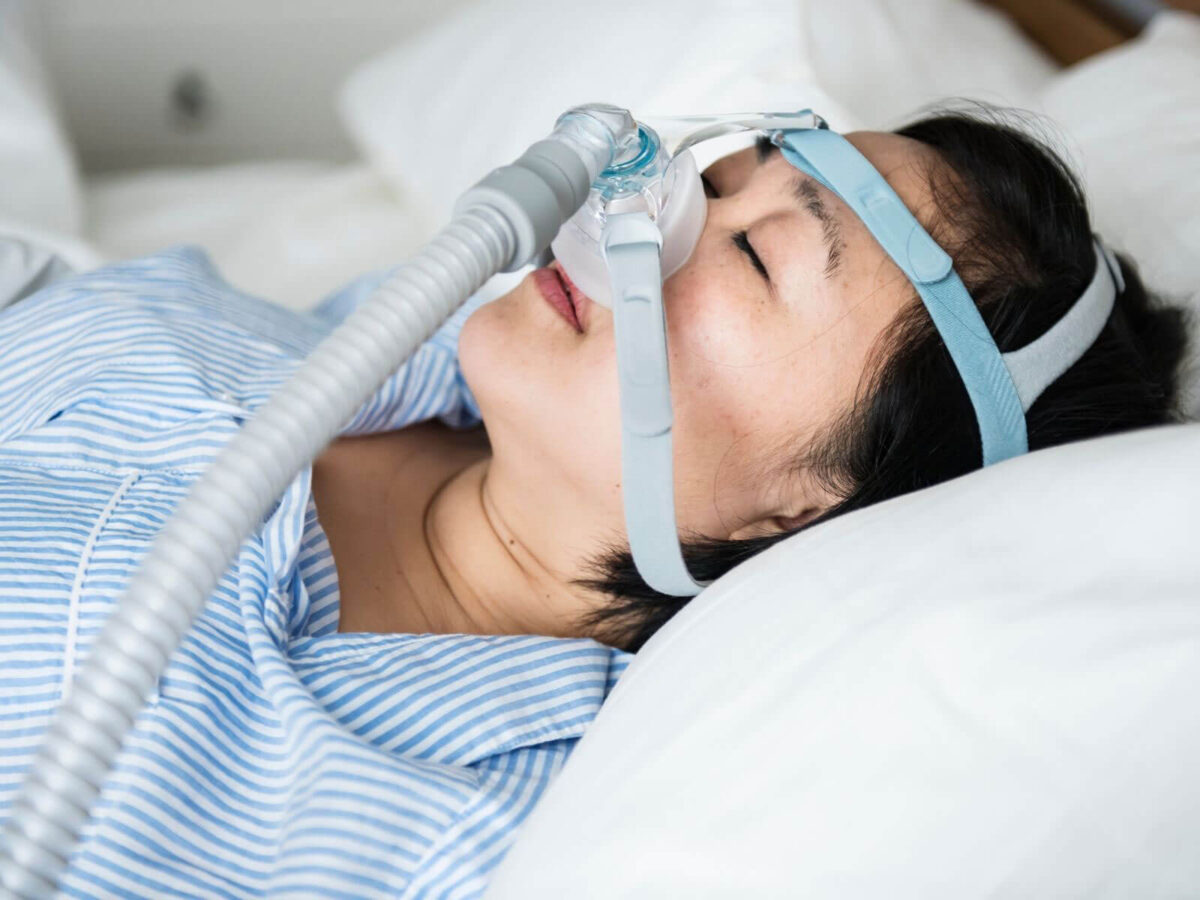
Understanding The Link Between Sleep Apnea And Oral Health
Sleep apnea. You’ve probably heard the term before. Maybe a friend joked about your snoring. You ignore it, thinking it’s just stress. Yet every morning feels heavy, like the night didn’t help. But there’s a part most people never really think about. Your teeth and gums can actually reveal early signs of sleep apnea long before you realise it yourself.
At Winnie Dental Office TX, we see this connection often. A lot of people think it’s just sore jaws or flat teeth. Turns out, there’s more going on when they sleep. It’s one of those things that hides in plain sight and quietly affects your rest and your smile.
Here’s a simple way to understand dental signs of sleep apnea. Let’s also find out how your Winnie Dentist TX might catch it early.
What Exactly Is Sleep Apnea
Sleep apnea’s sneaky. You stop breathing for little bits through the night, and you don’t even know it. But your body does. You wake up feeling off, drained, or just not right.
Most people who have sleep apnea deal with the obstructive kind. It’s when your throat muscles relax too much at night and block the airway for a bit. And while it starts with breathing, your mouth and teeth feel the impact too.
The Dental Connection
Here’s the interesting part. Dentists can often spot sleep apnea before your doctor does. Why? Because your mouth shows clues.
Grinding, worn enamel, receding gums, and even a dry mouth are all common in people struggling with poor sleep and disrupted breathing. At Winnie Dental Office TX, we look for these patterns every day.
You might not notice them yourself, but over time, your teeth tell a story. And that story can reveal much more than just brushing habits.
Teeth Grinding And Clenching
Sometimes, teeth grinding isn’t about stress at all. Sleep apnea can close your airway while you sleep. To make up for it, your jaw clenches without your notice. It’s like your body’s automatic response to keep breathing. But your teeth take the hit. Over time, grinding wears down enamel. Teeth look flatter. Tiny cracks appear.
Some patients even wake up with sore jaws or headaches.
When someone visits Winnie Dentist TX complaining about tightness in the jaw or unexplained pain, grinding is one of the first signs we check for. It’s not always caused by stress. Sometimes, it’s your body trying to keep you alive while you sleep.
Morning Dry Mouth
Waking up with a dry mouth all the time? That could be sleep apnea. Breathing through your mouth all night just dries everything up.
When you don’t have enough saliva, bacteria grow fast. That’s when bad breath and cavities start showing up. Saliva keeps your mouth safe. Without it, trouble builds up quickly.
We see this symptom all the time at Winnie Dental Office TX. Patients come in saying, “My mouth always feels dry,” not realising that their breathing pattern at night is part of the issue.
Gum Problems
Your gums suffer, too. When your mouth stays dry too long, everything gets out of balance. Your gums turn tender and start bleeding more easily than usual.
Some patients think it’s poor brushing, but really, it’s the mouth-breathing caused by sleep apnea. Over time, this can even lead to gum recession.
The connection between gum health and breathing isn’t something most people think about. But your dentist does.
Jaw Pain And Tension
A lot of people with sleep apnea don’t realise they clench their jaws tight through the night. It’s not just about grinding. The tension can affect your entire jaw joint, called the TMJ.
That tension shows up in the morning as a sore jaw, neck pain or earache. A click or pop isn’t unusual either.
We check jaw alignment at Winnie Dentist TX to see if this is part of a bigger sleep issue. Sometimes, adjusting the way your bite fits can help relieve both pain and pressure.
Cracked Or Worn Teeth
When grinding goes on for years, teeth can start to break or chip. The edges might feel rough or uneven. Sometimes patients spot a tiny crack and have no idea when it happened. That’s a red flag. Teeth shouldn’t wear down that quickly without a reason.
Once we repair them, we also focus on preventing more damage, and that means figuring out whether sleep apnea is playing a role.
How Your Dentist Can Help
You might not think your dentist has much to do with sleep, but we actually play a big part in diagnosing and managing mild to moderate sleep apnea.
At Winnie Dental Office TX, we can identify the dental signs of sleep apnea just by examining your mouth. If we suspect it, we recommend a sleep study. Once diagnosed, we can work alongside your doctor to design a treatment plan.
One solution that works well is an oral appliance. It slowly moves your lower jaw to keep your airway open during the night. As a result, snoring fades and grinding slows. Most patients sleep noticeably better in just a few nights.
Sleep Apnea And Your Overall Health
Ignoring sleep apnea affects more than just your teeth. Lack of proper oxygen puts stress on your entire body. It’s linked to high blood pressure and heart disease. It also causes chronic fatigue.
That’s why noticing the dental clues of sleep apnea matters. They’re early warnings your body gives before bigger health issues appear.
We’ve seen patients who, after treating sleep apnea, noticed not only better sleep but fewer headaches, more energy, and yes, healthier gums too.
How Treating Sleep Apnea Improves Your Smile
Once sleep apnea is treated, your mouth starts healing naturally. Grinding slows down. Enamel stops wearing away. Gums recover.
Even the colour of your teeth can improve, since dry mouth and inflammation start to fade. Patients often say they feel more awake and their smile looks fresher. All because they finally get proper rest. Better sleep really does mean a better smile.
Keep Your Dentist In The Loop
Here’s the thing. Sleep apnea treatment works best when your dentist and doctor communicate. That’s why we always remind our patients at Winnie Dental Office TX to share updates from both sides.
Your dentist monitors oral health changes. Your doctor tracks sleep improvements. Together, they make sure you’re healing completely. So, don’t hesitate to talk openly. It’s your body, your rest, and your smile.
Sleep Well, Smile Better
Learning what sleep apnea actually does to your body and sleep makes it easy to manage. Your dentist plays a bigger role than you think. They help you find dental signs of sleep apnea.
If you’re seeing any of the signs, don’t ignore them. Your Winnie Dentist TX can check if sleep apnea might be behind it.
Sleeping well shouldn’t mean risking your dental health. The right habits let you protect your teeth while you rest. Your smile deserves that peace.