Blog
Dental hygiene tips for healthy teeth & gums
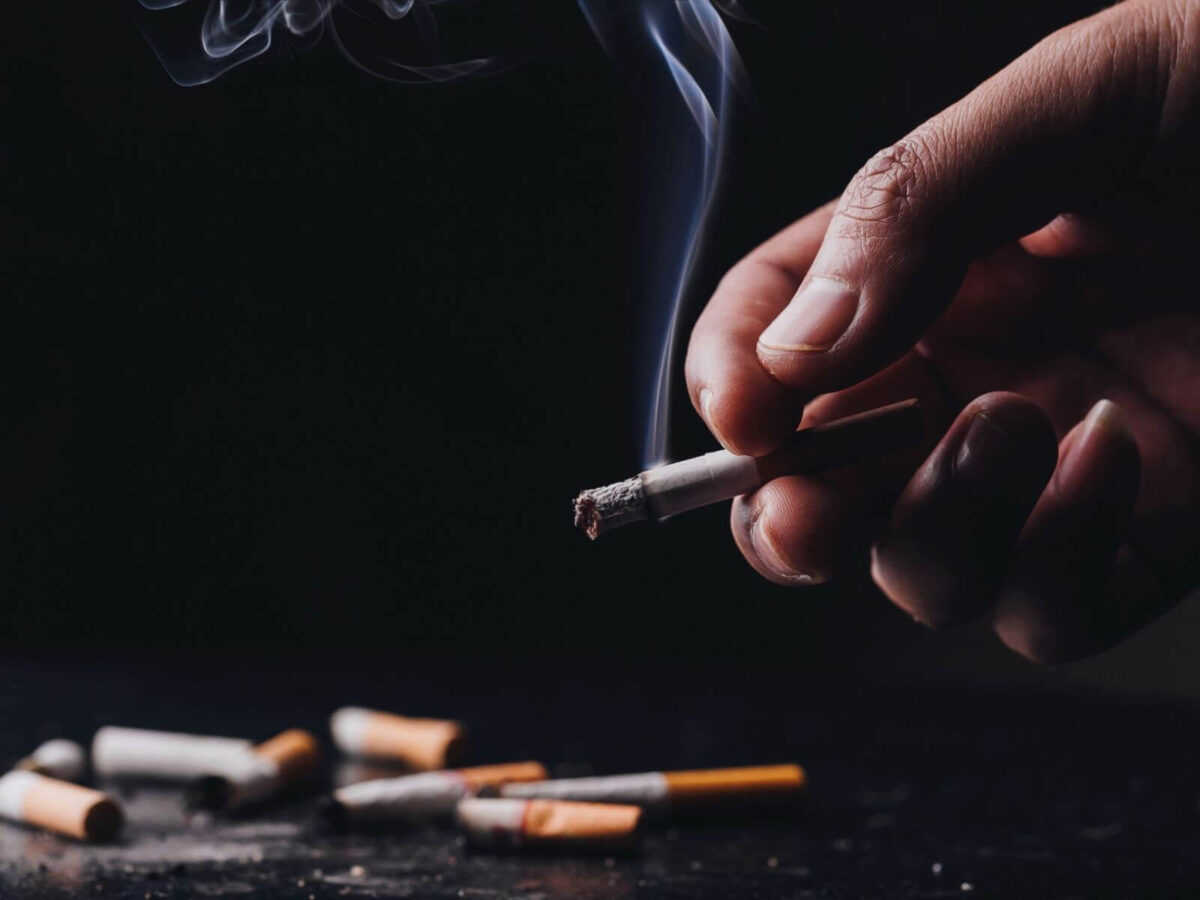
Teeth Whitening for Smokers: Tips for a Brighter Smile
Smoking stains teeth differently from everyday food and drinks. The staining builds gradually and can settle both on the surface and below it. Many smokers start with toothpaste, hoping that it will be enough. For most, the results are limited. That is why teeth whitening for smokers is asked so often. The stains tend to hold on. This article keeps the advice straightforward, offering realistic steps and useful teeth whitening tips for smokers without overcomplicating things.
Why Are Smoker Stains Different
Cigarettes put tar and nicotine on teeth. Tar is dark, sticky and clings to enamel. Nicotine turns yellow when it meets air. Together, they make stains that sit in tiny cracks on the tooth. That is why brushing alone often does not remove the marks. The stain is not only on the outside. It also sits in little rough spots that trap the colour. Knowing this helps set real expectations when thinking about teeth whitening tips for smokers.
What Professional Whitening Does That Home Products Cannot
A dental clinic can use stronger gels and protect the gums. The dentist places a gel that gets under some of the deeper stains. In many cases, a single visit gives a clear change. The team watches the teeth and can pause if sensitivity appears. For smoker stains, this control makes a big difference. It is not magic. It is stronger chemistry and a safer setup. That is why many smokers find clinic work more reliable than strips or toothpaste alone.
How At-Home Kits Help And Where They Fall Short
At-home kits are gentler and slower. Strips, trays, and gels work over days or weeks. They lift surface stains and help keep a bright look after a professional session. But deep smoker stains take longer to fade with home use. Home kits are cheaper and flexible. They are good for touch-ups but not always enough for long-term heavy staining. Still, they are useful. Used carefully, they help, especially when paired with small habit changes.
Prepare Your Mouth Before Any Whitening
A quick dental check matters. Cavities and gum problems should be fixed first. Whitening on decay can hurt and look uneven. A professional cleans away tartar so the whitening hits the tooth and not the buildup. That cleaning alone often makes teeth look better. After that, whitening works more evenly. This prep step is one of the simplest parts of good teeth whitening for smokers planning.
Time Your Whitening Around Smoking Habits
Do not smoke right after whitening. Freshly whitened enamel is more open and grabs stains faster. Waiting at least a few days helps the new shade set. If possible, delay smoking for a week after a strong professional session. Even cutting back for a while extends the result. This is one of the most practical teeth whitening tips for smokers. It asks for short effort for a longer payoff.
Handle Sensitivity Before And After Treatment
Sensitivity is one of the common worries with whitening. For smokers, it can show up more easily because the mouth has already been under stress. Gums may be tender. Enamel may already be a little worn down.
Dentists usually plan around this. They can lower the strength or use products that reduce sensitivity during treatment. At home, using toothpaste made for sensitive teeth before whitening helps more than people expect. Afterwards, skipping very hot or icy foods for a short time also helps. None of this is dramatic. It just keeps discomfort from taking over the experience.
Daily Habits That Help Whitening Last Longer
Rinsing after smoking helps. It clears some of what would otherwise sit on the teeth. Water after coffee or tea helps too. Brushing right away is not always a good idea. Waiting a little gives the teeth a break. Then, brushing gently works better. Using a soft brush and cleaning between teeth helps more than people think. These simple habits slow stains and help whitening last.
The Role Of Food And Drinks
What goes into your cup matters more than it seems. Coffee and tea slowly darken teeth. Cola adds its own stains. Red wine deepens them further. Smoking on top of that speeds everything up.
Reducing these drinks can help whitening results hold on longer. If they stay part of the day, rinsing with water right after can lower stain contact. Cold drinks through a straw help too. These changes feel minor, but months later, the difference shows.
How Often Smokers May Need Touch-Ups
Smokers usually need touch-ups sooner and more often. It’s common for heavier smokers to have a follow-up scheduled at six months or around one year. Some prefer short home kits every few months. Others schedule a professional touch-up once a year. The right rhythm depends on how much someone smokes and how strictly daily care is kept. Planning for maintenance is realistic and prevents surprise darkening.
When Whitening Is Not The Best Choice Right Away
Whitening is not the first step when gums bleed or an infection is present. Old fillings and veneers can also cause a mismatched colour after treatment. That is why repairs and proper cleaning come first. A dentist looks at the whole picture and suggests what to do next. This careful approach is part of smart teeth whitening tips for smokers and helps avoid problems.
When Whitening Does Not Reach The Goal
Deep stains can be tough. Bleaching may only go so far. If colour still looks uneven, veneers or crowns are often considered. They mask the surface and balance the shade. They involve more work and a higher cost, but they help when whitening cannot reach the stain. A calm discussion with the dentist helps decide what makes sense, especially with teeth whitening for smokers.
How To Pick A Safe Home Kit
A good home kit works best when directions are followed exactly. Extending gel time often leads to sensitivity rather than better colour. Irritated gums are another warning sign. If pain starts, stop right away and consult a dentist. A careful approach keeps teeth whitening tips for smokers safe and effective.
Small Gear That Helps: Trays, Strips, And Rinses
Trays made by dentists fit better than one-size-fits-all trays. A snug fit reduces gel contact with gums and improves results. Strips are easy and less messy. Whitening rinses can help maintain colour but are mild. Each tool has a role. The dentist can suggest which fits a smoker’s needs and habits best.
Simple Routine To Try After A Whitening Session
Clean teeth make a difference at the start. Do not rush to brush again right away. After food or smoking, even water helps. It clears some of the residue. Brushing does not need to be aggressive. Soft brush. Mild toothpaste. If colour dulls after a few months, a light home touch-up is usually fine. Regular cleanings still matter. This steady pace works well with teeth whitening for smokers.
Final Thought And Calm Next Step
Stains from smoking can be stubborn. Still, they are not impossible to manage. Teeth whitening for smokers works best when it is not rushed. Start with a checkup. Choose whitening that makes sense.
Adjust a few habits later on. Professional treatments change colour quickly. Home kits help keep that colour from slipping back. If things feel unclear, a brief visit to the dentist usually answers more than guessing does.