Blog
Dental hygiene tips for healthy teeth & gums
What Are Screwless Dental Implants and Are They Better?
If you’ve ever looked into dental implants, you’ve probably come across the usual version first. The one that involves a screw. That’s the standard approach most people know. A small titanium post is placed into the jaw. It heals over time, and then a crown is attached on top. It sounds technical, but it’s been around long enough that dentists are very comfortable with it.
Then, at some point, you come across screwless dental implants. And the confusion starts. The name puts it in a different light altogether. As though it has nothing to do with the traditional implant concept, though, that is not really what is happening.
The implant part is still there. That doesn’t change. It’s just one small detail that’s different, mostly how things connect. And because that part isn’t obvious right away, it can feel confusing at first.
So What Are Screwless Dental Implants, Really?
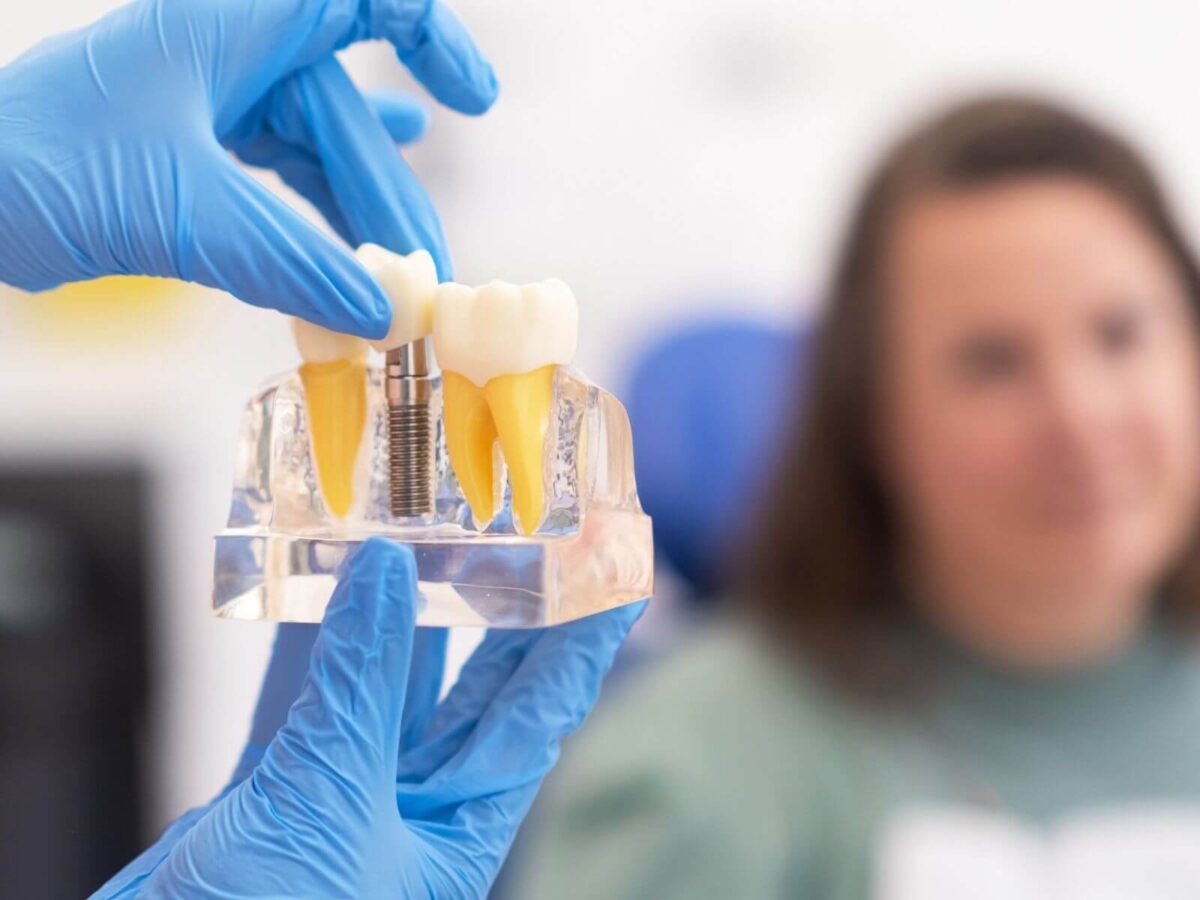
You can look at an implant as having two parts. One goes into the bone and stays fixed there. The other part sits above and connects to the crown.
There’s usually a small screw in traditional implants that keeps the crown or abutment in place. It works fine in most situations. But overall, everything depends on that one small screw. It’s holding the whole setup together.
In screwless dental implants, the top attaches in a different way. There’s no screw here. It relies on how the parts fit together, more of a friction or conical fit. The crown just sits in place, so you don’t see a screw hole. It’s meant to stay stable without needing that extra piece. The implant part doesn’t change. It’s still there as usual. The only real difference is how the top connects.
Why People Even Started Looking for Alternatives
The traditional method works well. That’s important to say first. But over time, dentists started noticing small limitations. Not failures exactly, just areas where improvements could be made. One of those was the screw itself. Even though it’s tiny, it can sometimes loosen, especially under repeated pressure. Not common. But possible.
And when it happens, it usually means a return visit to tighten or adjust things. So the idea behind what are screwless dental implants isn’t about replacing something broken, it’s about refining something that already works. Making it simpler in certain ways.
How Screwless Dental Implants Actually Work
At first, it feels complicated. More than it actually is. But it’s really just how the pieces fit together. They sit tightly, almost like they lock in. Once it’s in place, it stays that way. That’s what keeps it stable. Once they’re placed together, they stay in position through pressure and design, not through a separate fastening piece. It’s often referred to as a “Morse taper” or friction-fit connection.
You don’t see anything holding it in place. But it stays. That’s the basic idea behind how do screwless dental implants work. It’s not about removing stability, it’s about achieving it differently.
Do They Actually Hold Up Over Time?
This is usually the first concern people have. If there’s no screw, will it stay secure over time? From what’s been observed, these systems can work just as well when they’re placed correctly. But it’s not only about the design. Things like bone support and healing play a big role, too.
At the end of the day, whether it’s screw-retained or not, the outcome depends on a few key factors. How it’s placed. How it heals. And how it’s maintained after. Those are the parts that really make the difference.
AAID says that dental implants overall have a success rate of about 95% when conditions are ideal. That includes different types of implant connections. So the reliability doesn’t come from the screw alone. It comes from the overall system.
Where Screwless Implants Feel Different (From a Patient Side)
Most people don’t notice anything right away. It’s only after some time that small differences begin to show. No screw hole, so it can look a bit more natural, especially for front teeth, where those details show more.
There’s also one less thing to worry about. No screw means nothing there to loosen later. Of course, that doesn’t mean no upkeep. That part stays. Even one small thing gone can matter to some people.
What Doesn’t Get Talked About Much
There are always trade-offs. With screw-retained implants, adjustments are easier. If something needs to be fixed or taken out, the screw makes it easier to get to. With screwless systems, that part can take a bit more effort, depending on how it’s designed.
So one thing gets easier, but another part can feel a bit less convenient. It’s something you notice later, once you’ve had it for a while. Not in a big or obvious way.
And that’s something you’ll notice when reading through screwless dental implants reviews, because experiences vary depending on the case.
Why They’re Not Used in Every Case
If they work well, then why not use them for everyone? That’s usually the next question. But this is where individual cases start to matter. Not every situation is the same. Bone, pressure from the bite, and even placement all play a role in what works best.
Some cases are better handled with a screw-retained system, particularly when future changes might be needed. Others can work well with a screwless approach. So it’s not about picking one as better. It’s more about what suits that particular situation.
What Dentists Usually Consider Before Recommending One
It’s not something dentists decide randomly. There are a few things they look at first. Bone support, placement, and how much pressure the implant will take over time. Even future adjustments are part of the picture, not just what happens right now.
So, when someone asks if screwless dental implants are better? The answer usually depends. It can be a good fit in some cases. But not always. It really comes down to what works for that person.
Why the Idea Sounds More Dramatic Than It Is
The name “screwless” makes it sound like everything is different. Like it’s a completely new approach. That’s why people pause when they first hear about screwless dental implants. But once you look into it, most of the process stays the same. The way the implant is placed doesn’t really change. Healing still happens the same way.
It’s not really as big as it sounds. Just one part is different, that’s all. But the name makes it feel like something bigger, and that’s where people get thrown off.
FAQs
1. What are screwless dental implants?
They’re implants where the crown attaches without a screw. It’s just a different way of putting the pieces together.
2. How do they stay secure?
There’s no screw. The parts just fit into each other firmly. And that’s what keeps it in place.
3. Are they actually better?
Not always. It comes down to the person and what’s needed in their case.
4. Do they last?
They can, as long as everything is done properly and taken care of over time.
Conclusion
The idea of “screwless dental implants” can feel like something completely new. But it’s not really that. It’s more about how things come together. Most of the overall arrangement stays the same. It’s just one part that’s different. That alone doesn’t make it right for everyone. It really depends on the case.
If you’ve been trying to figure out how do screwless dental implants work, it’s easier to talk it through with a dentist instead of going in circles online. You don’t need to have everything figured out before you go. Just talking it through can help more than you expect. It usually clears things up. And you walk away with a better idea instead of just guessing.