Blog
Dental hygiene tips for healthy teeth & gums
5 Types of Dental Implants Explained
A missing tooth is not only about appearance. Eating can feel different. Speech may feel slightly different for some people. The balance of the bite may also change over time. Dental implants are commonly used to replace lost teeth and bring the mouth back to normal function.
In recent decades, implants have become one of the most trusted solutions in restorative dentistry. Dentists frequently recommend them because they integrate with the jawbone. Once healed, they tend to function much like natural teeth.
Understanding the types of dental implants helps patients see that there is no single approach for every situation. Several implant designs are available today. Each one is used to address different dental needs. The American Academy of Implant Dentistry reports that implants can achieve success rates of more than 95 per cent when conditions are suitable.
How Dental Implants Work
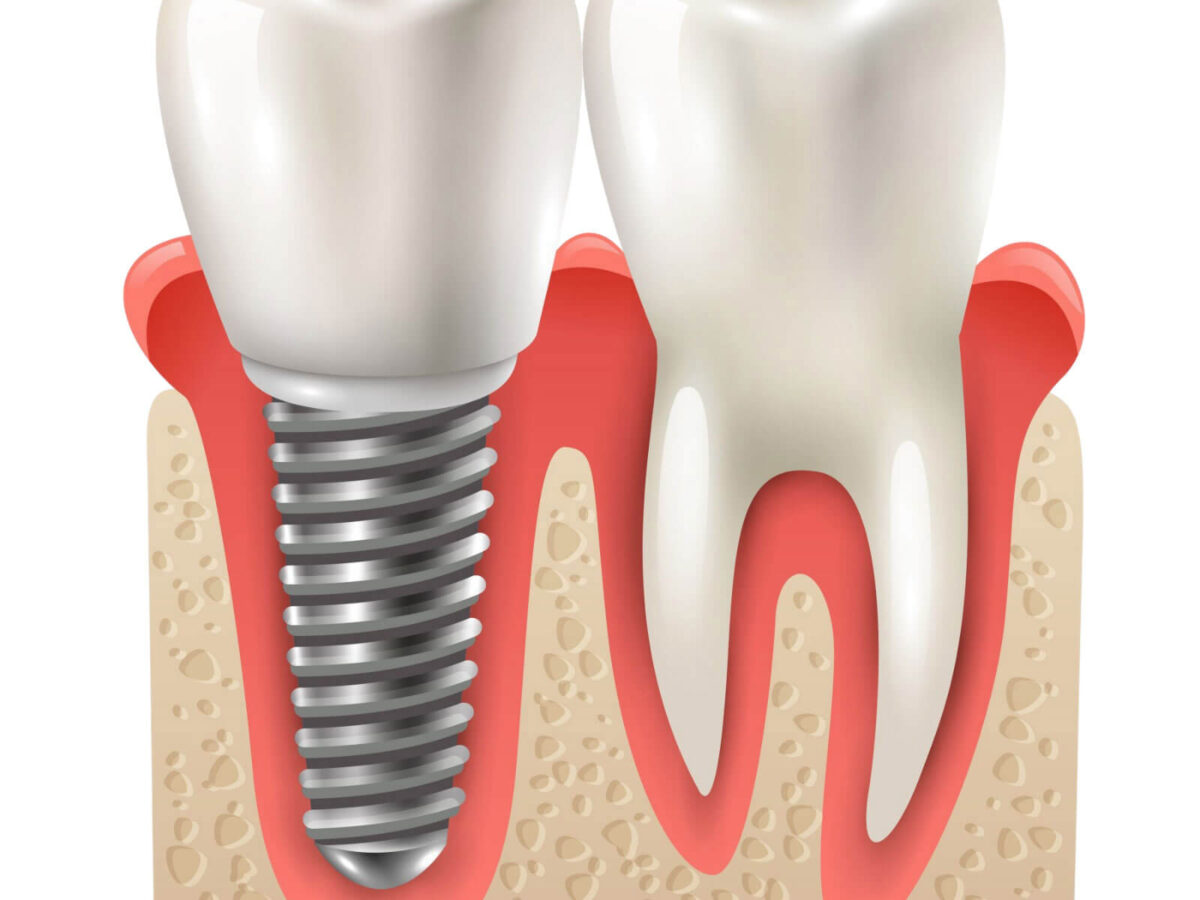
Dental implants replace missing teeth by recreating the support that natural teeth once had. A small titanium post is placed in the jawbone. It takes the role of the tooth root.
Healing does not happen instantly. The bone slowly grows around the implant surface. Dentists refer to this stage as osseointegration. It is simply the body accepting the implant and holding it firmly in place.
After the implant becomes stable, the dentist adds the visible part of the tooth. This might be a crown. In some situations, it could be a bridge or even a denture. The goal is simple. Restore both appearance and normal chewing function.
Before moving forward, dentists usually review several factors. Bone strength matters. How many teeth are missing matters as well. This information helps dentists choose suitable dental implant options.
Endosteal Implants — The Most Common Type
Endosteal implants are the option dentists use most often among the different types of dental implants. The idea is fairly straightforward. A small titanium post is placed in the jawbone. It acts as a replacement tooth root.
The implant is usually a small screw. After they are placed, healing begins. The bone slowly grows around the implant and begins to hold it firmly in position. Dentists refer to this bonding process as osseointegration. It takes some time, but it is what gives the implant its strength.
Patients with healthy jawbone density often qualify for this approach. Endosteal implants are commonly used for a single crown. They can also support bridges. In some situations, they help stabilise implant-supported dentures.
Subperiosteal Implants — A Different Placement Method
Subperiosteal implants differ mainly in where they are positioned. Endosteal implants go directly into the bone. Subperiosteal implants sit above it. The framework stays just under the gum tissue.
A custom metal framework is used to hold the structure in place. Small posts extend upward through the gums. These posts hold the replacement teeth that are attached later.
Sometimes the jawbone does not have enough height or density. In those cases, dentists may suggest this option. In earlier years, subperiosteal implants were used more often. Today, they appear less frequently among the different types of dental implants. They are usually considered only when other treatments are not suitable.
Zygomatic Implants — For Severe Bone Loss
Zygomatic implants are a more specialized solution within the types of tooth implants available today. They are longer than standard implants. They do not attach to the upper jawbone. Instead, they anchor in the cheekbone.
Dentists may consider this option when there is severe bone loss in the upper jaw. In those situations, a regular implant may not have enough support. Zygomatic implants provide another anchoring point.
The procedure is more complex than a typical implant surgery. Dentists usually involve an oral surgeon when this procedure is needed. The procedure is more complex than standard implants. Even so, it can help some patients. Some patients may avoid major bone grafting.
All-On-4 Implants. Supporting A Full Arch Of Teeth
The All-on-4 method works a little differently from traditional implant treatments. Rather than placing an implant for each tooth, dentists use four implants to hold an entire arch of teeth. These implants are positioned carefully in the jaw.
Two implants are usually placed near the front of the jaw. The other two are angled toward the back. This angled placement helps make better use of the available bone. It also allows the replacement teeth to remain stable even though fewer implants are used.
For patients missing many teeth, this approach can be practical. Many dentists consider it one of the more efficient dental implant options when a full arch needs to be restored.
Mini Dental Implants. A Smaller Alternative
Mini dental implants are smaller than traditional implants. In most cases, their diameter measures less than three millimeters. This difference in size can make placement easier in certain situations.
Because they are thinner, dentists may sometimes place them with less invasive techniques. Mini implants are often used to stabilize dentures. They help keep the denture secure. Movement is reduced during everyday use.
These implants will not replace every missing tooth. Even then, they can still help in some cases. For many patients, they represent one of the different types of dental implants that dentists may consider during treatment planning.
How Dentists Choose The Right Implant Type
Choosing the right implant design usually starts with a close look at the mouth. Dentists often rely on imaging first. X-rays are common. In some cases, dentists also take a 3D scan. These images show how much bone is present. They also help identify nearby structures, including important nerves.
Other details come into play too. How many teeth are missing matters. The patient’s bite matters as well. General oral health can also influence what treatment makes sense. Every mouth is a little different. Dentists usually review a few dental implant options before deciding which one works best.
Why Dental Implants Are Used More Often Today
Dental implants have become far more common in recent years. Much of that growth comes from their durability. Implants replace missing teeth while also helping preserve the surrounding bone. That support helps keep the jaw structure stable.
They also provide strong stability. Implant-supported teeth stay fixed in place. Removable dentures can sometimes move, but implants usually remain secure during daily use.
Dental implants have proved to be reliable in numerous studies. This is supported by research done at the National Institute of Dental and Craniofacial Research. Daily oral care is still significant even then.
FAQs
What implant types exist today?
Endosteal implants remain the most common. Still, other designs exist. Subperiosteal implants are one. Zygomatic implants are another. Dentists also use All-on-4 systems. Mini implants may be recommended in some cases. Each one has its own purpose.
Are implant choices different for each patient?
Yes. Every mouth is different. Several factors guide the decision. Dentists check bone density first. Oral health matters too. They also look at how many teeth are missing.
Which type do dentists usually place most often?
Endosteal implants are used most frequently. They sit inside the jawbone and support replacement teeth.
Are implants permanent?
Implants are made to last a long time. Daily oral care matters. Routine dental checkups help keep them stable and working properly.
Conclusion
Missing teeth can affect comfort and confidence. Dental implants help restore the smile. They also support bone health. Understanding the types of dental implants helps patients recognise the treatment possibilities available today.
Thinking about replacing missing teeth? Speaking with a dental professional can help. They can describe the types of dental implants and go over the options available. Your dentist will also look at your specific dental condition. That evaluation helps guide a treatment plan that supports lasting oral health.